The order flow, samples, and the most common mistakes
What actually happens behind the scenes when an order comes in, why a sample order is a step you shouldn't skip, and the mistakes beginners fall into most. This lesson closes out the course with all of it laid out plainly.
In the last lesson you connected your store to Printify, your product is now live for sale on Etsy or Shopify. Now for the real question: what happens when the first order actually comes in, and what do you need to watch for along the way?
How an order flows automatically
When a customer orders your product from your store, that order information drops into Printify automatically. Without you clicking anything (assuming your plan is set to automatic payment), the order routes straight to the manufacturer you picked. They print it, package it, and ship it directly to the customer's address.
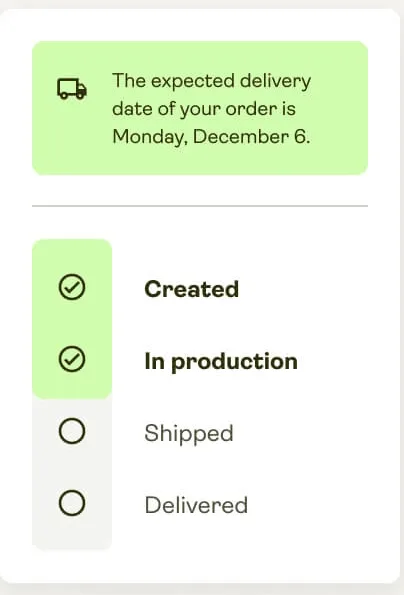 Source: Printify, accessed July 2026.
You never touch a shipping box, you never print a shipping label. Your job is designing the product, running the store, and answering customer questions. The physical production and shipping is entirely in the manufacturer's hands.
Whether payment goes automatic or requires manual approval is something you set inside the Printify dashboard; since the exact steps for that setting can change over time, your best bet is checking your own dashboard or the help.printify.com help center for the current process.
Why a sample order isn't optional
As I mentioned in the last lesson, the mockup isn't an exact match for the real product. The color tone, fabric quality, and print sharpness you see on screen can come out differently in the physical item.
That's why my honest recommendation is to order a sample of your own before putting any product live in your store. With a sample in hand, you can feel the fabric and see for yourself whether the print actually comes out sharp. Sellers who skip this and go straight to launch tend to struggle to figure out what went wrong the moment the first quality complaint lands, because they've never actually seen the product either.
Sample cost tends to run close to the production plus shipping price; check the exact current number for your chosen product and manufacturer inside the Printify dashboard.
Common mistakes
Trusting the mockup and skipping the sample. As covered above, this is the single most common mistake. Making dozens of sales without ever having seen the product, only to get buried in quality complaints afterward, costs far more than ordering one sample upfront would have.
Pricing without doing the margin math. Sellers who don't work out what's actually left over after production cost, shipping, and the platform's own commission (Etsy or Shopify) end up stuck in a "I'm selling a lot but nothing's showing up in cash" situation. Add up every one of those line items before you set a price, and check whether what's left actually makes the business worth running.
Relying on a single manufacturer. Sticking with one manufacturer per product leaves you stranded the moment that manufacturer runs into delays or a quality dip. Having a backup manufacturer lined up for the same product means you can switch fast the moment something goes wrong.
Not telling the customer how long shipping takes. Shipping in POD generally runs longer than traditional stocked selling. If you don't spell that out clearly in your store description or product page, customers complain about "why did this take so long." Setting an honest delivery estimate upfront protects both customer satisfaction and your store rating.
Wrapping up
Across these four lessons you've seen what print on demand is, what Printify's role is in that flow, how to open an account and design your first product, and how the order process actually runs. Printify lets you sell products without taking on inventory risk, but tracking your margin, controlling quality through samples, and communicating shipping times honestly are still on you.
Lesson checklist
- I understand how an order automatically flows through to the manufacturer once it comes in
- I know why ordering a sample before listing a product matters
- I'll price with my full margin in mind (production plus shipping plus platform commission)
- I'll state my shipping time clearly in my store description
You finished this course. I also share updates about these tools in the weekly newsletter: