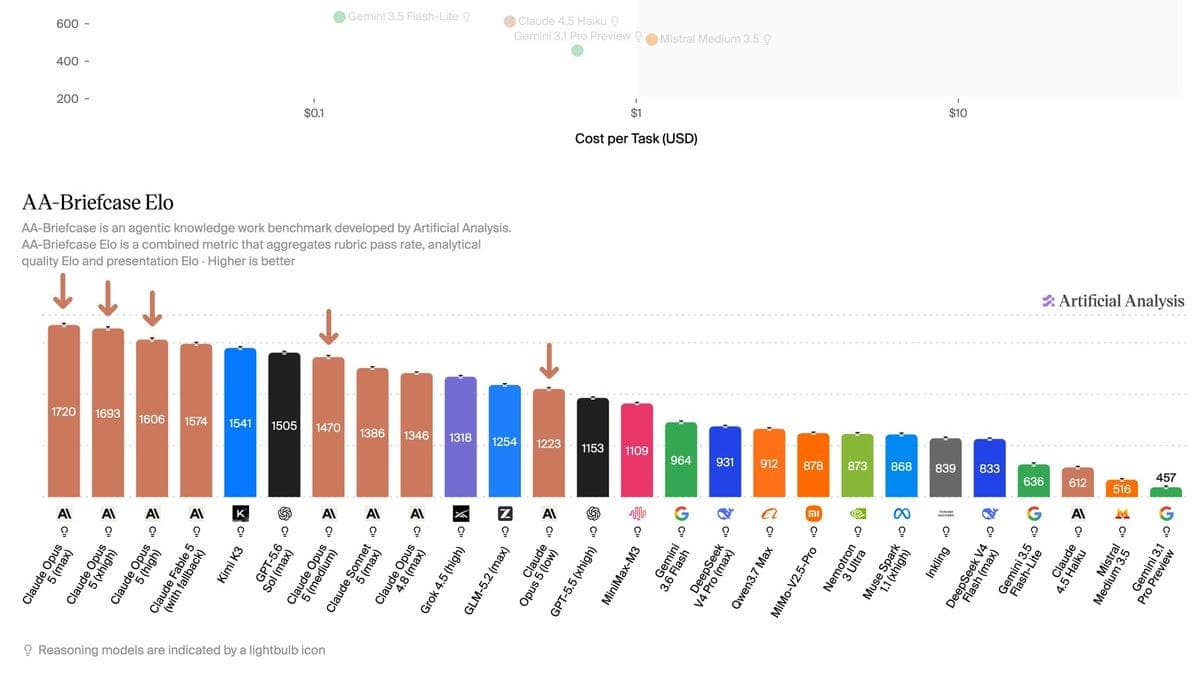
The Shift in AI Usage: From Chatbots to Autonomous Agent Systems


AI adoption patterns are rapidly evolving. While single-turn chat models dominated previous workflows, autonomous agentic systems capable of executing multi-step tasks are becoming the standard.
These systems do not merely answer questions; they manage complex workflows like software development, market analysis, and data synthesis independently. Traditional chat interfaces are falling behind purpose-built agent frameworks.
For operators integrating AI, learning to delegate complete end-to-end tasks to agents is replacing basic prompt engineering.
What to do:
Transition your routine tasks from basic prompting to end-to-end autonomous agent workflows.
MK's take
Is Your Business Ready for Autonomous AI Agents?
Autonomous agents can now handle complete multi-step tasks like market analysis or content drafting without your constant input. The shift is from asking a chatbot a question to delegating a full project.
If you're still using AI like a fancy search engine, you're falling behind. The real shift is from single-turn chat models to autonomous agent systems that can execute multi-hour workflows independently. I'm talking about agents that don't just answer a question, they can research your competitors, summarize findings, draft a report, and even email it to your team, all without you stepping in after the initial instruction.
For you as an operator, this changes how you think about AI adoption. Instead of spending time on prompt engineering for each individual task, you start delegating entire end-to-end processes. The concrete move this week is to identify one repeatable multi-step task in your business. Maybe it's weekly market research on a specific product category, or drafting a sequence of onboarding emails. Then try to delegate that to an agentic tool, like a custom GPT with actions or a platform that supports agent loops.
The honest caveat is that these agents are still early. They can hallucinate, get stuck in loops, or produce outputs that need careful review. You must set boundaries and monitor results. But the direction is clear: the bottleneck is no longer what you can ask AI, but how well you can define a process and hand it off. Start small, test the agent's reliability, and then scale the delegation. That's where the real time savings come from.
Turn this into your workflow: Evaluate an AI Investment: Real Benefit vs Hidden Cost Analysis · prompt library · automation library
Turn this into action
Evaluate an AI Investment: Real Benefit vs Hidden Cost Analysis