Ad Copy Variations With AI: How to Split Test the Right Angle
Stop writing one ad and hoping. Here's how to get AI to write three genuinely different ad copy angles for split testing, so your audience tells you which one wins.

When I ask AI for ad copy, I don't ask for one ad. I ask it to reframe the same product through three completely different psychological doors: one plays on the fear of missing out, one paints the outcome the buyer actually wants, and one makes the "this is just the smart choice" case. What comes out the other side isn't a guess, it's three testable ads, and your audience tells you which door was open just by clicking. Below I'll walk through exactly how I set this up, including the full prompt.
Here's the thing most people get wrong first: the problem was never "write better copy." The problem is you don't know which emotion your audience actually responds to. Publish one version of the ad and you'll never find out which door was open, you might spend months knocking on a closed one.
Accept this first: you can't test with one ad
Most sellers write one ad, like it, publish it, then wonder why it's not converting. The copy usually isn't bad. The problem is you only tried one door.
Three different people buy the exact same product for three different reasons:
- The surface reason: "Nice mug." That's what everyone says out loud.
- The real reason: One person buys because they're afraid this design sells out. Another buys because it becomes their morning ritual. A third buys because it's handmade and worth the price.
Test with a single ad and you can't tell which of those three reasons is actually driving clicks. In the past, fixing this meant hiring an expensive copywriter or spending weeks guessing your way there by trial and error. Now you tell AI: write the same product three times, once for each trigger. You stop guessing and start measuring.
What this prompt actually produces
This isn't a prompt that writes one ad. It writes a test setup. You feed it three blocks of information (product, channel, audience, core benefit, offer, CTA, brand voice), and it hands back:
- Variant A (Fear): the cost of waiting or missing out, built on scarcity.
- Variant B (Desire): the outcome the buyer is chasing, a before-and-after transformation.
- Variant C (Logic): concrete value, "why this is worth the price," a rational case.
- Audience segment breakdown: which buyer type each angle is most likely to land with.
- Strengths and risks: what could go wrong when you run all three side by side (the fear angle, for instance, can read as too aggressive).
- A testing plan: which two variants to run first, and which metric to actually watch.
- An optimization layer: once you have a winner, alternate headlines, CTAs, and a visual direction to sharpen it further.
The part I care about most: it doesn't invent a single number it can't back up. No "thousands sold," no fake stats, every variant is built on a real benefit. I use this same discipline when writing a sales page with AI: whichever angle wins the ad test becomes the spine of that page too.
How to run it, step by step
1. Nail down three things first, because vague input gets you vague output. The sharper your inputs, the sharper the prompt's output. Write out three things in plain brackets: the actual outcome your product delivers (not a feature), who you're selling to, and the offer or hook you're working with (a discount, limited stock, shipping speed). Don't write "ceramic mug." Write "a limited-run ceramic mug that turns an ordinary cup of coffee into a claimed morning ritual."
2. Read the "why this works" section, not just the ad copy. Don't just skim the three ads. Read the "why this works" and "audience segment" notes under each one. Can you actually picture your audience walking through that specific door? Flag whichever variant feels most forced to you, that's usually the angle that doesn't actually fit your product.
3. Publish two variants under identical conditions. Take the two variants the test plan recommends and run them with the same budget and the same audience. Watch the one metric it suggested, and don't call it early. Two clicks and a hunch is the most common way people torch a test.
4. Feed the winner, retire the loser. Once you know which angle won, use the optimization layer's alternate headlines and CTAs to keep building on that winner only. Don't try to rescue the losing variant. Closing the wrong door doesn't turn it into the right one, no amount of polishing changes that.
A real example
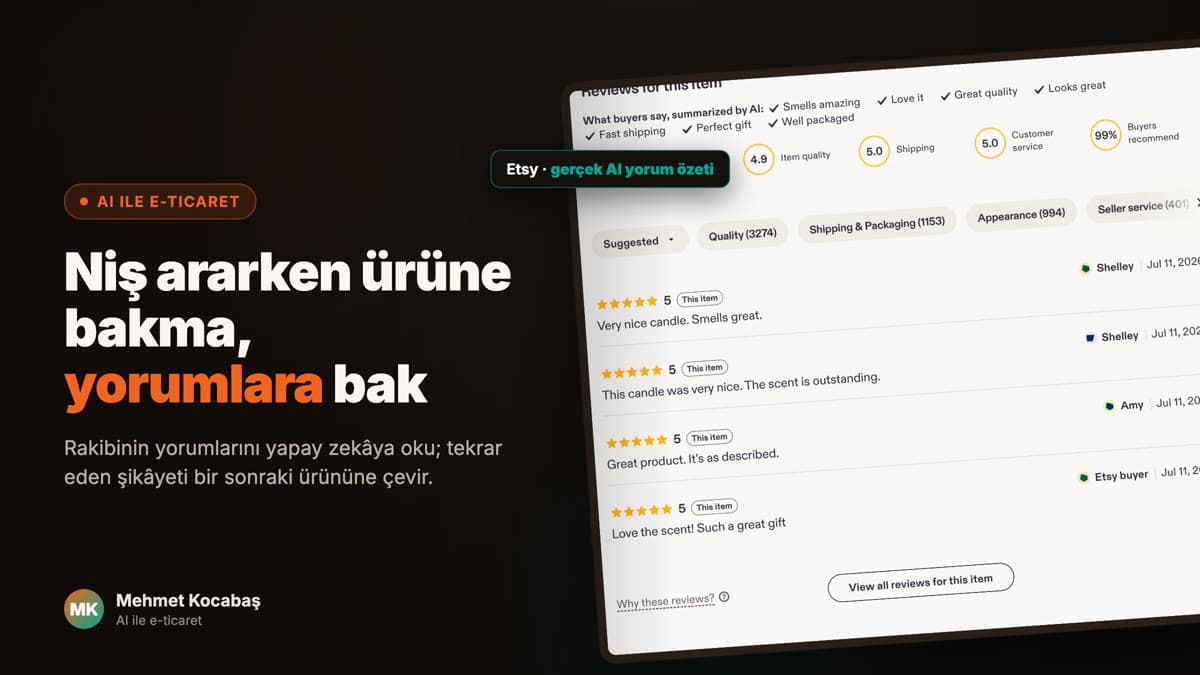
Say you sell handmade ceramic coffee mugs on Etsy and you're also running ads on Meta. Your audience: 28 to 45, buying gifts or building a home coffee ritual. Core benefit: it turns an ordinary cup of coffee into a claimed moment.
The prompt hands back three doors. Fear angle: "Only a limited run of this pattern exists," tying the wait to the feeling of missing the piece entirely. Desire angle: "Your morning coffee is now a ritual," turning the mug into the object of a moment you already want. Logic angle: "Hand-glazed piece by piece, not off a factory line," making the craftsmanship the reason the price is justified.
Then it tells you where each one lands: the fear angle with younger gift buyers, the desire angle with people treating themselves to their own coffee moment, the logic angle with the segment that pays for quality on purpose. Run desire against logic first, and watch add-to-cart rate. No invented numbers anywhere in this, just real benefit, told three different ways. Once you know the winning angle, you can carry it across formats, the same way I described repurposing one piece of content across platforms: into a reel, a headline, an email.
The most common mistake
Generate three variants, then just swap a few words and call it a test. "Buy now" versus "Shop today" isn't two variants, they're the same door with a different doorknob. What you're testing at that point isn't the angle, it's synonyms. You still won't know which emotion actually won.
The second mistake: not waiting long enough before picking a winner. Call it after a handful of clicks and the variant that looks ahead might just be ahead by luck, not by insight. Make sure each variant is walking through a genuinely different door, then give the metric time to actually mean something. Pick a clear angle, build an honest hook, don't oversell it, then let the data do the talking. That's what actually wins the ad, not the copy alone.
What to do next
- Take the framework above, fill in your product, audience, and offer.
- Generate three variants, publish the two that feel strongest under the same budget and audience, and watch one metric with patience.
- Feed the winning angle with the optimization layer, retire the loser, then carry that winning angle into other channels.
If your ads aren't converting and you're stuck on which angle to even try, reach out and I'm happy to talk it through.
The honest limit: AI gives you testable variants, not a winner. Your audience decides which angle actually works. Your job is setting up the right test and giving the data time to speak. AI speeds up the guessing. It doesn't make the call for you.
Frequently asked questions
How many ad copy variations should I test instead of one?
Start with three, each built on a different psychological trigger: fear, desire, logic. Don't publish all three at once though. Pick the two that feel strongest to you and run those against each other first. Keep the third in reserve, informed by whichever angle wins round one.
What metric should I track when comparing ad copy variants?
It depends on what you're testing. If you're measuring which angle grabs attention, click-through rate is the signal. If you're measuring purchase intent, add-to-cart is more honest. Pick one metric before you launch, and don't call the test until you've actually got enough data to trust it.
Can I publish the ad copy AI writes exactly as it gives it to me?
No. AI hands you a testable draft, not a finished ad. You still need to match it to your brand voice, your platform, and your actual offer. Strip out anything that sounds like a fabricated number or an exaggerated claim. The final call, and the final edit, is yours.