Do TikTok Ads Work? Which Businesses Win, Which Ones Burn Cash
TikTok ads aren't for everyone. Without a content strategy, your budget disappears. With one, it's real leverage. Here's exactly which products and audiences it works for, no invented numbers.

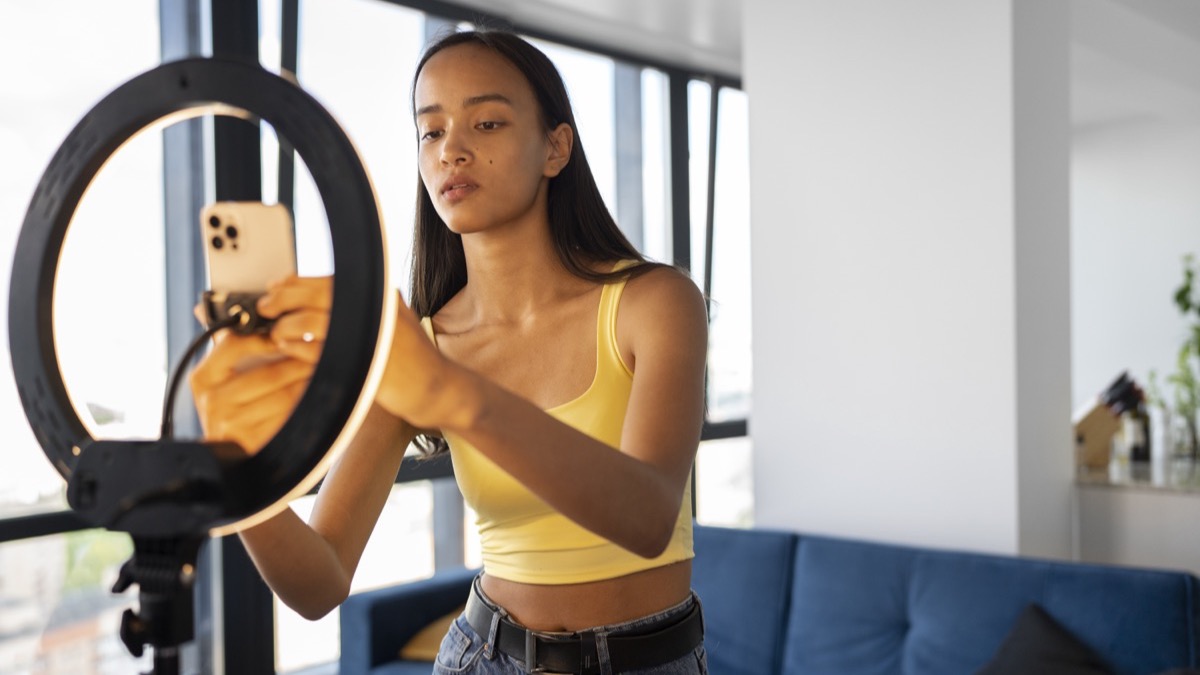
Short answer: TikTok ads work for a brand that behaves like native content, not for a brand that blows up a banner and drops it into the feed. The platform's audience doesn't register ads as ads, what stops the scroll isn't production value, it's the feeling of real content. For young to middle aged, visual first, "I discover it and I want it" products (fashion, beauty, home decor, entertainment, novelty gadgets), it's real leverage. For B2B, high ticket items, or anything with a long decision process, the money usually disappears, because TikTok users aren't there to decide, they're there to discover. The real question isn't "do TikTok ads work," it's "does my product fit TikTok's natural discovery behavior." Here's exactly which business types win and which ones lose, step by step.
The problem isn't the platform, it's the approach
There are two camps when it comes to TikTok ads. One says "amazing, we moved everything to TikTok and sales took off." The other says "we burned money and got nothing." Both are right, because they're not actually talking about the same platform.
The first group took a product that already fit TikTok's behavioral logic and told it in TikTok's language. The second group took an ad that worked on Instagram or Google and pasted it onto TikTok as is. Same platform, different approach, different result.
I don't run an ad agency directly, but I've watched this split play out for years on the content side: TikTok punishes anything that breaks the feeling of "I'm just watching something." An ad that smells like an ad dies the second a user's thumb starts moving.
Who wins on TikTok
When three traits show up together, TikTok becomes real leverage.
A product that explains itself visually. If seeing the product means understanding the product, a makeup item, a home accessory, something wearable, you already have a natural edge on TikTok. The viewer sees it in use and doesn't need an explanation.
Impulse or mid ticket purchases. TikTok users aren't there to "research and decide," they're there to "discover and want it right now." Once the price climbs well into three figures or higher, a category that demands real deliberation, that impulse breaks, and the user leaves the platform to go research somewhere else.
A brand that can actually produce content. TikTok ads work for brands that can keep creative output flowing. If you can't put out a video a week, you can't feed the algorithm the variation it needs to learn. This isn't a channel where you shoot one perfect ad and run it for a month.
Fashion, beauty care, home decor, hobby products, entertainment and gaming, novelty kitchen gadgets, these categories tend to win. In all of them, the "I saw it, I wanted it" loop is short.
Who loses on TikTok
B2B services and software. The decision maker either isn't on TikTok, or if they are, they're not making decisions there. If your sales cycle runs weeks, a thirty second video doesn't shorten it.
High ticket items that require long deliberation. In categories like real estate, cars, or corporate consulting, TikTok can work as an awareness tool, but expecting direct conversion isn't realistic. Users don't decide there, they remember.
Teams that can't produce content. If an agency shoots two ad films a year and drops them on TikTok, the platform won't feed that brand. TikTok's algorithm wants fresh, varied creative, walk in with a static pool of ads and your budget burns fast.
Brands chasing "let's go viral" as the goal. Going viral is an outcome, not a strategy. You can't buy virality with an ad budget, you can only buy visibility. Brands that set virality as the target usually walk away disappointed.
The native content reality: why banners don't work
This is the part people miss most. On TikTok, users aren't browsing a "page," they're watching a "feed." To hold attention inside that feed, you need to speak the feed's language: handheld camera feel, natural light, a real human voice, the product shown in actual use.
Studio shots, a corporate tone, a big banner shouting "50% off," all of it signals "this is an ad" on TikTok, and users scroll past on autopilot. Instagram tolerates this a bit more, because its users are already used to branded content. TikTok users have far less patience for it.
What this means in practice: when you're building a TikTok ad, most of your effort shouldn't go into production, it should go into answering "does this look like something a real user posted." The best performing TikTok ads are usually the cheapest ones to shoot, because that cheapness itself signals authenticity.
How this used to work, and how it works now
Digital advertising used to run on one creative across every channel. You'd shoot a video and drop the same cut into Facebook, Instagram, and YouTube. The format changed, but the language stayed the same.
TikTok broke that logic. Every platform now has its own visual language, and TikTok's diverges the sharpest. A brand can no longer shoot one ad and blast it everywhere, TikTok at minimum needs its own thinking. That looks like extra work, but it's actually a filter: the rawness TikTok demands also exposes whether a brand can genuinely explain its own product.
This shift actually works in favor of small teams. Brands running heavy production pipelines with big budgets can struggle to match TikTok's pace, approval chains that take weeks for every creative clash with the fresh content rhythm the platform wants. Something shot quickly on a phone can outperform a corporate production, because TikTok users are already used to that kind of content flow.
Ask these 4 questions before you spend your budget
- Does my product explain itself visually, or does it need a description? If it's visual, you have the advantage.
- Does the buying decision take minutes, or weeks? If it's minutes, you're a fit for TikTok.
- Can I put out at least one new creative a week? If not, that's where your budget should go first, not into ad spend.
- Is my audience on TikTok, and how much time do they spend there? If your audience isn't there, even the best creative goes nowhere.
If you answer "yes" to three or four of these, it's worth testing. If you land at two or fewer, test your budget on another channel first.
A real example: a handmade candle brand
Say there's a small handmade candle brand: visually strong products, mid range pricing, target audience of young women. This brand does well on TikTok because it checks all three boxes: the product explains itself visually, the price allows for impulse buying, and its natural content, the pouring process, the scent story, the unboxing, already fits the raw, real format TikTok favors.
If that same brand shot its ad in a studio under professional lighting, more like a product photo slideshow, it would likely get far less out of the same budget. The difference isn't the product, it's how the product gets shown.
Take this with you
- TikTok doesn't work for brands that can't produce content. Before you commit ad budget, check your creative production capacity first.
- It's strong for products that explain themselves visually, get bought on impulse, and sit at a mid range price. It's weak for B2B and high ticket items.
- The native content reality: what wins isn't studio polish, it's the feeling of user generated content.
- Don't set virality as the goal, buy visibility and let virality happen as a byproduct.
- I'm not going to sell you "every brand needs to be on TikTok." If your product and your audience don't fit there, your budget works harder on another channel.
Frequently asked questions
Do TikTok ads work with a small budget?
Creative variety matters more than budget size. Even on a small budget, if you can put out a few different creatives a week, the platform starts learning. Running one creative hard with a big budget is usually less effective than testing several creatives on a small one.
Can I run the same creative on TikTok and Instagram?
Usually not. Instagram users are more used to branded content and tolerate a bit more studio polish. TikTok users scroll past anything that looks like an ad, so you need a version built specifically for TikTok that looks raw and native.
Should a B2B business skip TikTok ads entirely?
Limited testing for brand awareness or hiring purposes, without expecting direct conversions, can work. But if your sales cycle runs weeks and your decision maker isn't spending time on TikTok, most of your budget belongs on the channel where your buyer actually is.
What's the most common mistake in TikTok advertising?
Taking an ad shot for another channel, studio quality and all, and dropping it into TikTok unchanged. It doesn't meet the platform's expectation for native content, and users clock it as an ad instantly and scroll past.
How long should I test TikTok ads before judging results?
I won't give you a fixed number of days, because it depends on your product and budget. But running one creative for a few days and calling it a failure is the wrong read. The real test only shows up once you're running several creative variations side by side.